Address:No.321 Dongshen Road, Tangxia Town, Dongguan City, Guangdong Province
Stay in touch
Enter your email address for get promotions and news.
Address:No.321 Dongshen Road, Tangxia Town, Dongguan City, Guangdong Province
Stay in touch
Enter your email address for get promotions and news.

Manufacturing is entering a new era. Factories are no longer relying only on traditional machinery and manual production processes. Artificial intelligence (AI), industrial automation and smart inspection technologies are changing how products are manufactured, inspected and delivered.
For manufacturers, these developments are more than technology trends. They offer practical opportunities to improve production efficiency, maintain product quality and manage operating costs.
The use of AI in manufacturing is attracting attention across industries, including healthcare, automotive, electronics, textiles and consumer products. Nonwoven manufacturing is also part of this transformation, particularly in applications involving medical masks, disposable products, cosmetic materials and filtration products.
But how exactly is AI changing factory operations? Here are seven important ways smart technology is transforming manufacturing in 2026.
Product quality is one of the biggest priorities for manufacturers. Even small production defects can result in rejected products, wasted materials and additional operating costs.
Traditional inspection often requires workers to examine products manually. Although human inspection remains valuable, checking thousands of products can be time-consuming and challenging.
AI-powered inspection systems use cameras, image-processing software and trained models to identify predefined visual defects. Common applications include detecting incorrect product positioning, missing components, surface irregularities, dimensional variations and assembly inconsistencies.
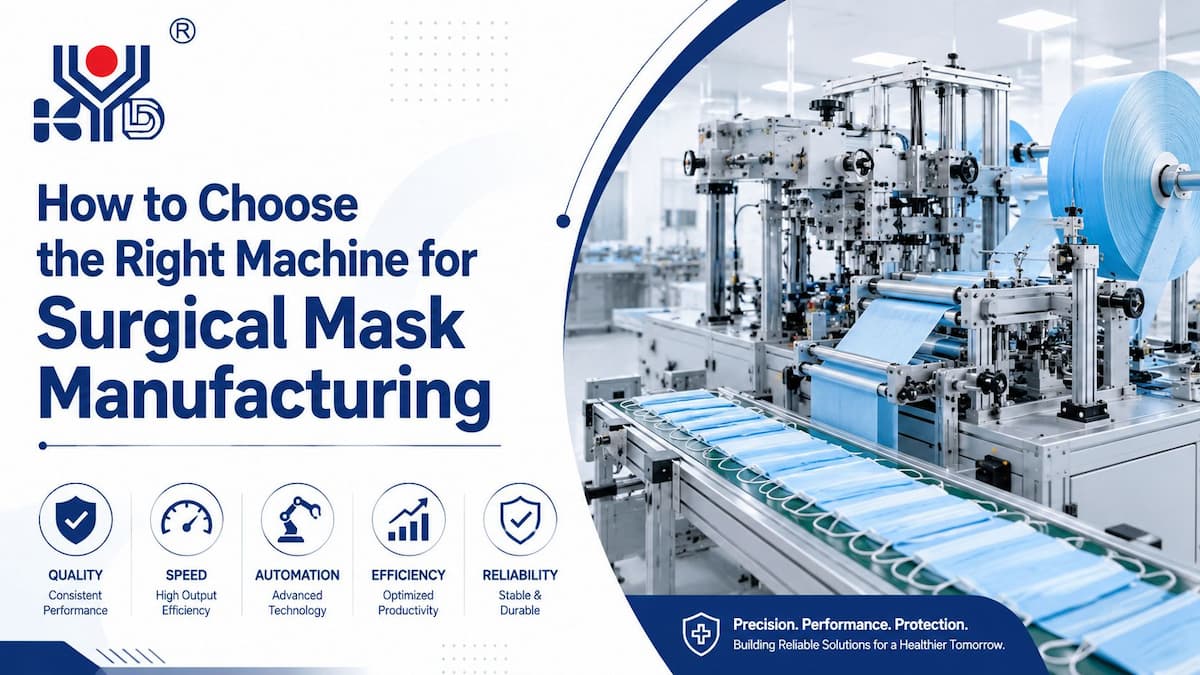
For example, in face mask manufacturing, a properly configured inspection system may help identify visible issues involving product shape, alignment or component attachment. Automated inspection can improve inspection consistency and support faster production decisions.
For examples of machinery used in this product area, explore GDKYD's Face Mask Machinery range.
Machine vision is an important part of modern industrial automation. It allows machines to capture and analyse images of products during manufacturing. Industrial cameras, lighting systems and image-processing software work together to inspect products without requiring manual examination at every stage.
CCD cameras are one type of camera technology used in industrial imaging. In a manufacturing environment, machine vision can support product identification, position and alignment checking, visual defect detection, component verification, production counting and finished-product inspection.Advanced AI-based vision systems can also learn from labelled images to identify more complex visual patterns. The right inspection approach depends on product specifications, camera capabilities, lighting conditions and the types of defects that need to be detected.
One relevant example in KYD's product range is the Automatic Fish Mask Machine with CCD Inspection & Box Packing System, listed in the company's product directory. Confirm the exact configuration with KYD before specifying inspection features in a purchase.
Unexpected machine failure can interrupt production and affect delivery schedules. Predictive maintenance offers an approach that uses equipment data to identify unusual operating patterns that may indicate developing mechanical problems.
Depending on the monitoring system, manufacturers can analyse machine vibration, operating temperature, motor performance, electrical conditions, equipment operating hours and production-cycle information. AI and machine learning can help identify patterns in this information and support maintenance planning.
For nonwoven production facilities, predictive maintenance can help reduce unexpected interruptions and improve equipment availability. Results depend on the quality of collected data, sensor installation and maintenance procedures.
Industrial automation allows machinery to perform repetitive manufacturing tasks with less manual intervention. Programmable Logic Controllers (PLCs) play an important role in controlling machine operations and coordinating production sequences.
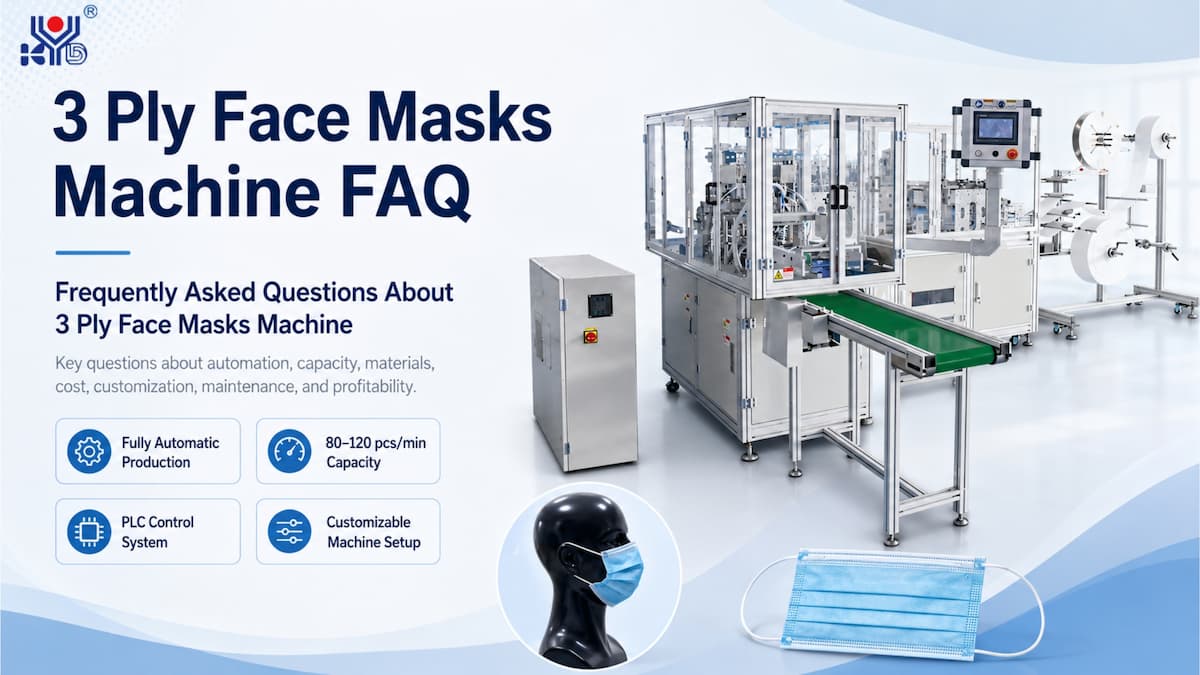
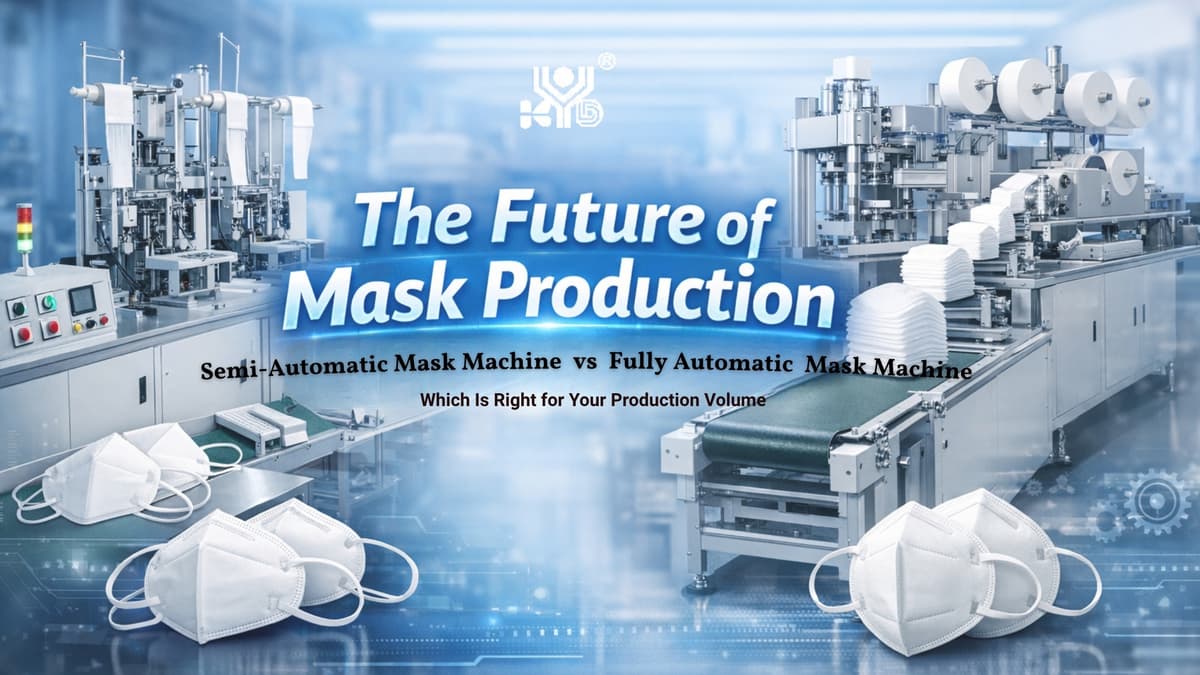
Modern automated manufacturing equipment can use PLC-based controls to manage material feeding, cutting, folding, ultrasonic welding, product assembly, counting and packaging. Automatic face mask production machinery, for example, can combine several manufacturing stages into a coordinated process.
Automation helps manufacturers improve process consistency, manage production speed and reduce repetitive manual tasks. PLC automation and AI are different technologies: a machine can be highly automated without using artificial intelligence. Integrating suitable monitoring and analytics can provide additional production insights.
KYD outlines several automated production stages on its manufacturing process page, including processes for face mask and cosmetic/life-product machinery.
Manufacturers need accurate information about what is happening on the production floor. Without reliable monitoring, it can be difficult to identify production delays, equipment interruptions or recurring operational problems.
Connected production monitoring systems can collect information from machinery and present it through dashboards or monitoring software. Managers may use this information to understand production output, machine operating time, equipment downtime, cycle performance, material consumption and maintenance needs.
AI-based analytics can help identify patterns in historical production data and highlight areas that may need attention. For manufacturers operating multiple production lines, better visibility can support more informed operational decisions.
Material waste is a major concern for factories, particularly those producing disposable and nonwoven products in high volumes. Incorrect cutting, inconsistent feeding, rejected products and production interruptions can all contribute to unnecessary material consumption.
Automated machinery can improve process consistency, while production monitoring can help identify recurring material-related problems. AI-based analytics may support material-consumption analysis, production-waste monitoring, process optimisation and energy-use analysis.
For nonwoven manufacturers, improving material efficiency can support operational performance and sustainability objectives. Actual improvements depend on machine configuration, production materials and effective process management.
For personal-care and nonwoven product applications, see KYD's Cosmetic & Care Machines category, which includes equipment such as shoe-cover, cap and cotton-pad machines.
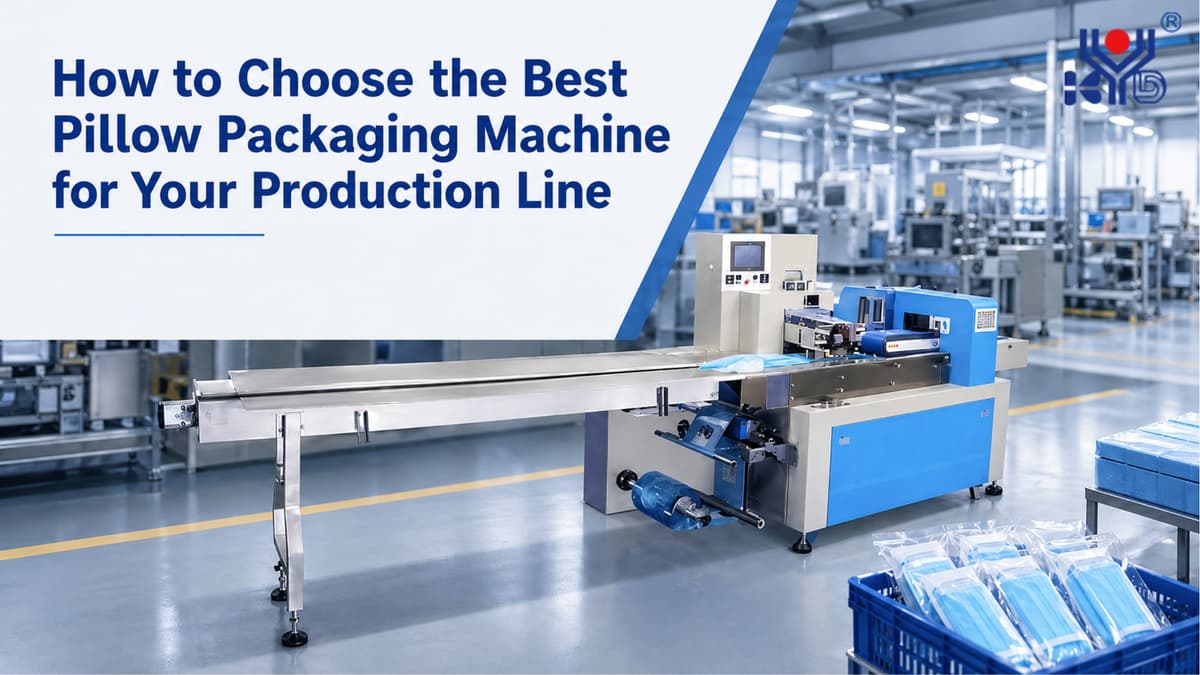
Manufacturing does not end when a product is assembled. Packaging, counting and product handling are also important parts of factory operations. Automated packaging machinery can help prepare finished products for storage, distribution and delivery.
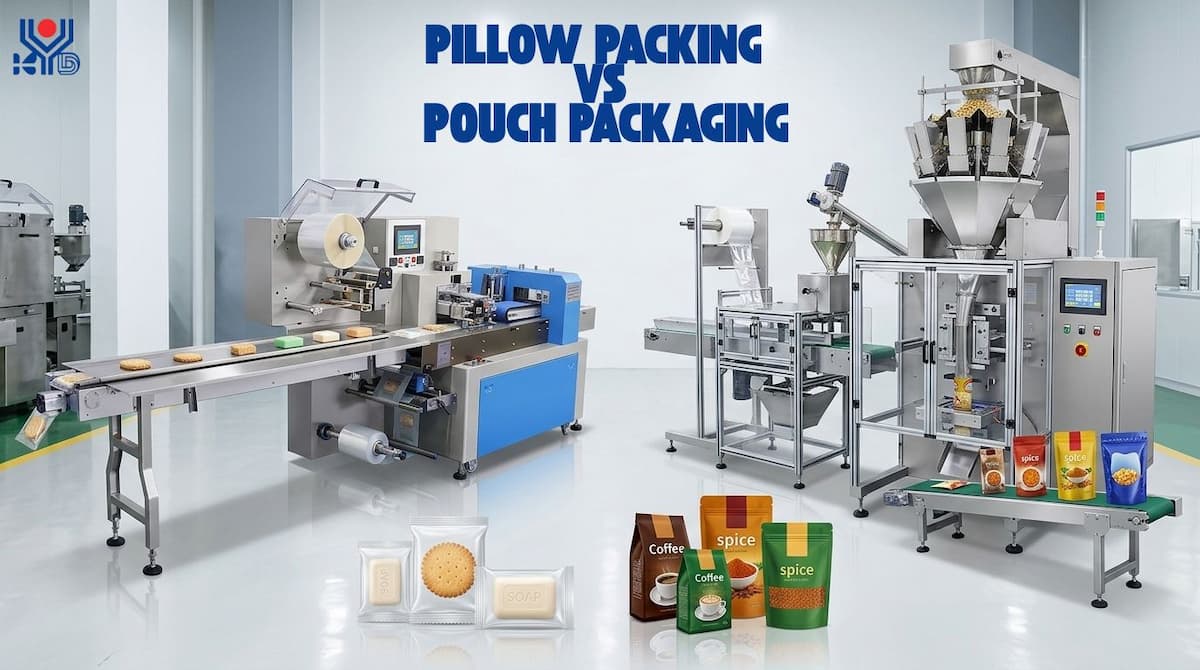
Depending on the production setup, integrated systems can support automatic product counting, individual product packaging, pouch packaging, flow wrapping, labelling and carton preparation. When packaging machinery is connected with upstream production equipment, factories can improve workflow coordination and reduce manual handling.
For manufacturers producing medical disposable products, cosmetic cotton pads and other nonwoven items, choosing suitable packaging equipment is an important part of production planning.
Compare available machinery through KYD's product directory, which brings together the company's machinery categories.
· Production capacity: Determine the required production output and compare it with the machine's rated capacity.
· Product specifications: Check whether the equipment supports the materials, dimensions and manufacturing processes required.
· Automation features: Understand the machine's control system, operating sequence and automation capabilities.
· Inspection requirements: Identify whether conventional inspection, CCD vision or AI-based inspection is suitable.
· Maintenance support: Review spare-parts availability, technical support, installation and operator training.
· Total operating costs: Consider purchase price, maintenance, energy consumption, material usage and expected production performance.
Guangdong KYD Precision Machinery Co., Ltd. describes itself as a manufacturer of nonwoven fabric product-making machinery, with experience dating back to 1999. Its official website presents machinery for face masks, medical products, cosmetic and care products, filter cotton and packaging.
The company's About page describes its integration of machine and ultrasonic technology, custom production solutions, R&D capabilities and pre-sales and after-sales support. Its product pages show examples of machinery for specific manufacturing applications.
Learn more about the company's background, capabilities and support through About KYD.
Manufacturers can also review KYD's medical machinery for equipment used in disposable medical-product manufacturing.
To see examples of machinery applications and project work, visit the KYD portfolio.
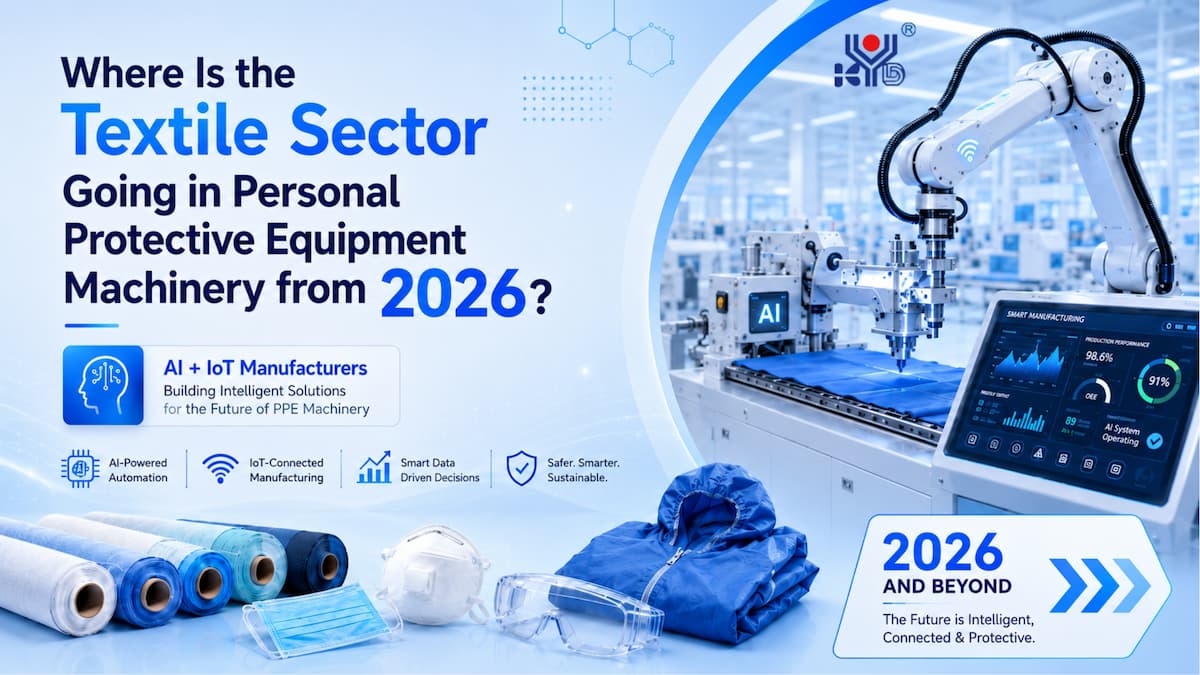
The future of manufacturing will likely involve closer integration between artificial intelligence, industrial automation, machine vision and production data. Developments to watch include more advanced automated visual inspection, greater use of predictive maintenance, connected machinery, improved production monitoring and data-driven material and energy management.
However, technology alone cannot guarantee better manufacturing results. Factories need suitable equipment, skilled operators, reliable maintenance and effective quality management systems. Manufacturers that understand their operational challenges and invest in appropriate technologies will be better positioned to adapt to changing industry requirements.
AI in manufacturing is creating new opportunities for factories to improve inspection, automation, maintenance and production management. From machine vision systems to PLC-controlled machinery and automated packaging, smart technologies can support more consistent and efficient manufacturing operations.
For nonwoven manufacturers, these developments are particularly relevant to medical, hygiene, cosmetic and filtration product production. The right machinery investment starts with understanding production requirements, selecting suitable automation features and planning for long-term operational needs.
Planning to upgrade your production line? Visit www.gdkyd.com to explore KYD machinery solutions and contact the team about your manufacturing requirements.
AI in manufacturing refers to the use of artificial intelligence and machine learning to analyse production information, support quality inspection, monitor equipment and improve manufacturing decisions.
AI can analyse images and production data to identify predefined defects, recognise unusual patterns and support quality-control processes.
Automated quality inspection uses cameras, sensors and software to check products against defined quality requirements with reduced manual intervention.
Machine vision uses industrial cameras and image-processing technology to capture and analyse product images during manufacturing.
A PLC controls machinery and coordinates automated operations according to programmed instructions.
AI-based predictive maintenance can analyse equipment data to identify unusual patterns and support earlier maintenance decisions. Its effectiveness depends on data quality and monitoring capabilities.
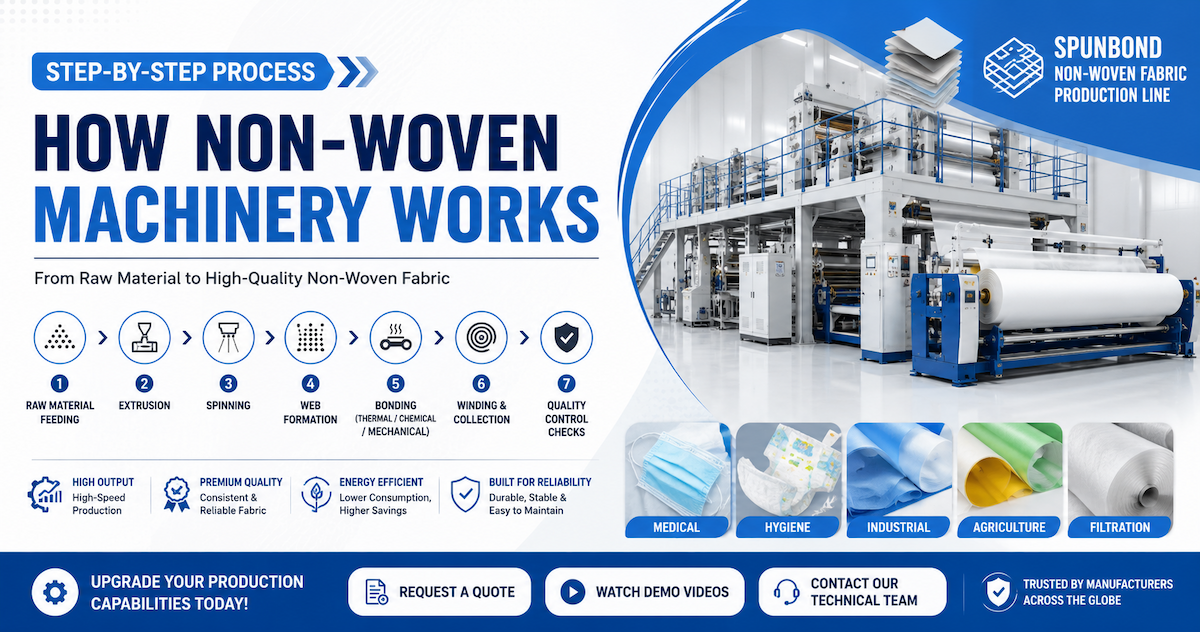
AI can support visual inspection, production monitoring, equipment maintenance and process analysis in nonwoven manufacturing facilities.
KYD's website lists machinery for face masks, medical disposable products, cosmetic and care products, filter cotton and packaging applications.
We invite you to connect with us! KYD.
Join the Join our growing community and stay updated on KYD’s latest innovations and industry insights. Sign up now to receive exclusive updates straight to your inbox!